


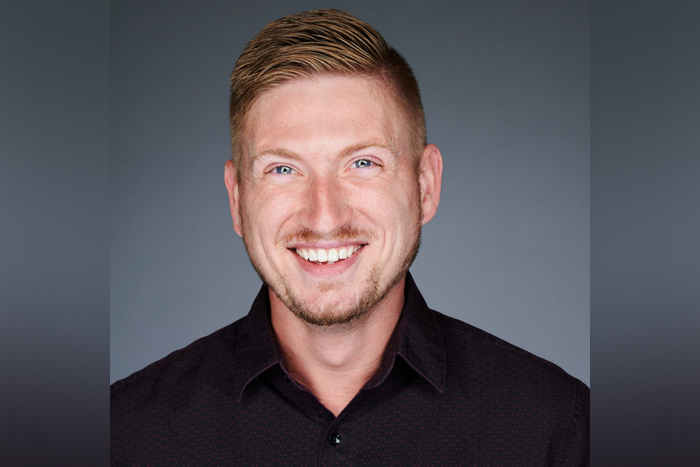
by Jeff Lowry, BrightView
When someone has a heart attack, the path forward is relatively clear. They head to the emergency room for immediate care, develop a comprehensive treatment plan with a cardiologist, and receive support from friends and family throughout their recovery. Unfortunately, it’s a different story for people who live with another serious disease: substance use disorder (SUD), commonly known as addiction. Social stigma may prevent people with SUD from seeking help, and it can be hard to know what high-quality treatment addiction treatment looks like.
This isn’t a mystery. Decades of research prove that effective addiction treatment relies on the same pillars as most chronic diseases: treatment on demand, comprehensive care, and evidence-based solutions.
Immediate Treatment
Most people who are hospitalized for a medical crisis will be able to see a specialist one or two days after they’re discharged. The same isn’t true for people who suffer an overdose or an addiction-related crisis. Due to limited capacity in most inpatient recovery programs, patients with substance use disorder often encounter weeks-long wait lists, not to mention that many inpatient programs don’t accept insurance.
When it comes to treating addiction, time is of the essence. The sooner a person with substance use disorder enters a scientifically based treatment program, the quicker they begin to recover. Fortunately, the increasing availability of outpatient addiction treatment centers in Zanesville is making it easier for people to get the help they need.
Outpatient addiction treatment facilities don’t have bed shortages or long wait lists — in fact, many offer 24/7 call centers where patients can schedule next-day or even same-day appointments. This way, patients get the immediate support they need without having to hit pause on their families, jobs, and other responsibilities. Even better, some outpatient treatment centers offer medical, counseling, and social services to patients who walk into a center on weekdays.
Affordability is another key to effective addiction treatment. Some programs, such as BrightView, accept all insurance, including Medicaid and military insurance. Some actively help patients obtain coverage, and even partner with non-profit foundations to cover SUD treatment for uninsured people who don’t qualify for Medicaid.
Broad-Based Treatment
Like any chronic disease, addiction is caused by a complex combination of physical, genetic, social, and even emotional factors. It may run in the family, be a response to depression, anxiety or mental illness, or develop as a result of trauma or severe stress.
With so many different causes, it’s no wonder that one-size-fits-all treatment plans don’t work for substance use disorder. Instead, reaching long-term recovery requires a comprehensive blend of medical, social, and lifestyle treatment tailored for each person’s unique needs.
This may include medication to reduce physical cravings, and individual counseling to treat anxiety, depression, or mental illness and group therapy. Social support services are also an important part of each individual’s treatment plan because they make it easier to stay in treatment. This includes help with food security, housing, reliable transportation, job readiness, and more.
Every patient is unique, and so is their experience with SUD. That’s why comprehensive, individualized treatment is essential to recovery.
Proven Treatment
When it comes to high blood pressure or heart disease, doctors have established treatment procedures backed by decades of research and clinical trials. They don’t expect people to “quit” heart disease cold turkey, so why should addiction be any different?
It isn’t. A large body of scientific research provides proven strategies for treating substance use disorder. Reputable institutions like the National Institute on Drug Abuse and the American Society of Addiction Medicine recognize these evidence-based practices as the gold standard for addiction treatment, including medication-assisted treatment when appropriate, social support, and comprehensive care that address all causes of a patient’s disease.
Guilt, fear, and judgment make it harder for people to seek addiction treatment. As education helps reduce the social stigma around substance use disorder, the growing availability of outpatient centers that rely on research are making it easier for people to find effective treatment.
Hopefully, the more we accept addiction as a disease that deserves proven medical treatment, the more we’ll also understand how important it is to treat people with dignity, respect, and compassion – regardless of where they are on their path to recovery.